
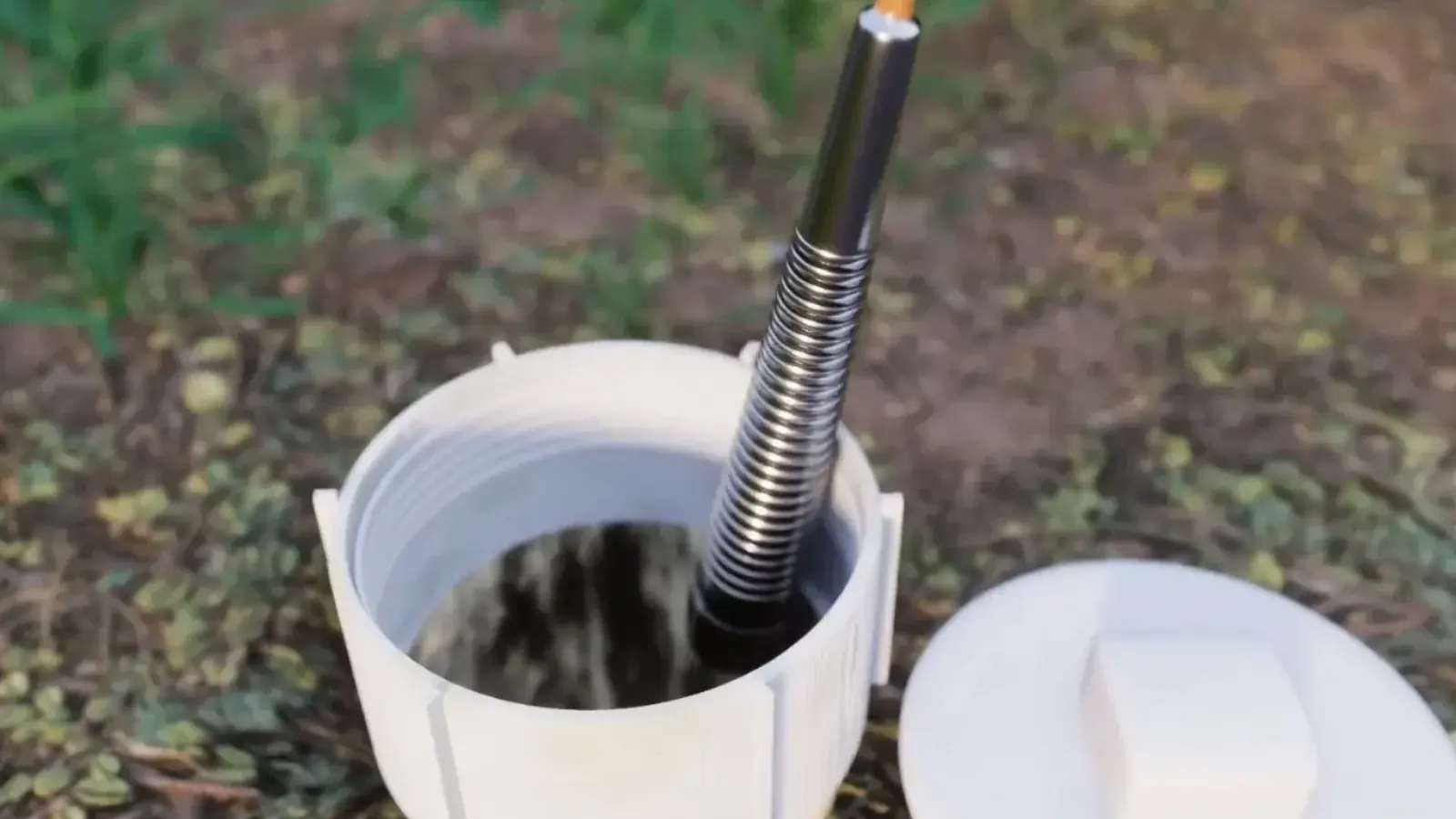
What happens during a camera inspection
An inspection takes about an hour for a typical house, though access and cleaning needs vary.
Find an entry point
The plumber uses a cleanout, a removed toilet or a floor drain to feed the camera.
Clean if needed
A line packed with grease or scale may be cleared enough to see the wall.
Run the camera
A flexible cable pushes the camera toward the street while it records video and distance.
Explain the findings
The plumber describes cracks, roots, offsets and sags and shows you the video.
Why an older Revere home deserves a camera check
According to Revere's housing plan, most housing was built before 1960, and the largest number before 1940. Sewer laterals from those decades are often clay or cast iron, and they may have been patched with other materials since. A camera is the only way to see what is underground.
If you are buying a two-family or a triple-decker, the inspection is cheap compared with a dug-up lateral. About 27 percent of Revere homes are two-family and 17 percent are in buildings of three to nine units, so a defect can affect several households. Ask the seller for access to the cleanout, and bring the video to your negotiations.
Findings a camera can reveal
Cracks and breaks
Longitudinal cracks, broken sections and separated joints show as gaps or shadows.
Root intrusion
Fine roots appear as hair or clumps entering at joints.
Belly or sag
A low spot holds water and waste, causing repeat clogs.
Offsets and collapse
Pipe sections that have shifted or caved in.
When to schedule an inspection
| Situation | Why inspect | What it avoids |
|---|---|---|
| Buying a home built before 1960 | Lateral age and material are unknown | A surprise repair after closing |
| Backups more than once a year | Cleaning is not curing the cause | Repeat emergency calls |
| Planning a basement finish | Drains lie under the new floor | Cutting new concrete twice |
| After a flood or storm surge | Soil movement can shift pipes | Hidden damage |
Want the line checked this week?
Call to schedule a camera inspection.
Locating the line and finding the city main
A camera with a transmitter lets the plumber trace the pipe from above ground. That marks the depth and path so any repair is planned without guessing, and so excavators avoid other utilities. Digging still requires an 811 Dig Safe request.
The public sewer main belongs to the city. Revere's Water and Sewer Department handles it, and non-emergency reports go to 311 at 781-286-8311. A camera run that ends at the main with a clean connection tells you the lateral is fine and the problem lies elsewhere.
What affects inspection cost
A camera inspection is a planned service, priced clearly before the plumber starts.
Inspections are rarely covered by insurance. If a camera finds damage from a sudden event, keep the video for a claim.
Common questions
How long does a sewer camera inspection take?
About an hour for most homes. Cleaning a clogged line or locating the pipe adds time.
Will I get a video of the inspection?
Ask for it. Most plumbers record the camera run and can share it so you have a record.
Should I get a sewer inspection before buying a Revere home?
For a home built before 1960, yes. A camera shows the lateral's condition, which a standard home inspection does not.
Can a camera find the city main problem?
It shows where your lateral meets the main. If the problem is in the main, call Revere 311 at 781-286-8311.
Does an inspection damage the pipe?
No. The camera head is flexible and designed for pipe inspection. A fragile pipe is noted and handled carefully.
What if the camera finds damage?
You get repair options and a clear price. See our sewer line repair page for the methods.