
Signs your Revere house is due for repiping
According to Revere's housing plan, most homes were built before 1960 and the largest number before 1940. Houses of that age often have galvanized steel supply pipes, which rust from the inside and shrink the passage for water. The first sign is usually low pressure that gets worse over years.
Other signs include brown or rusty water, leaks at threaded joints that return after repair, and pipes that feel soft or flake when touched. One leak is a repair. A pattern of leaks in different places is a reason to replace the run.
PEX, copper and what each costs you
| Material | Strengths | Trade-offs |
|---|---|---|
| PEX | Flexible, fewer joints, quicker to install in walls | Not for sunlight exposure or some outdoor runs |
| Copper | Long record, handles heat well, rigid | Higher material cost, joints are soldered |
| Galvanized steel (existing) | Common in pre-1960 houses | Corrodes inside and loses flow |
The plumber recommends a material after seeing the building. Local code and permit rules apply to the choice.
Lead service lines and what the city has on record
Repiping inside the house does not replace the line from the street. According to the MWRA's 2025 results for Revere, the city lists 362 known lead service lines, 254 of unknown material, 23 galvanized lines requiring replacement and 10,427 non-lead lines. The city removed 62 lead services in 2025 and plans 80 more in 2026.
If your house is older than 1960, ask the Revere Water Department at 781-286-8145 what the inventory says about your service. A repipe is a good time to coordinate the replacement of the service with a plumber. See water service line repair for what that involves.
How a repipe is planned and phased
A repipe is organized so the building loses water for as little time as possible.
Inspect and map
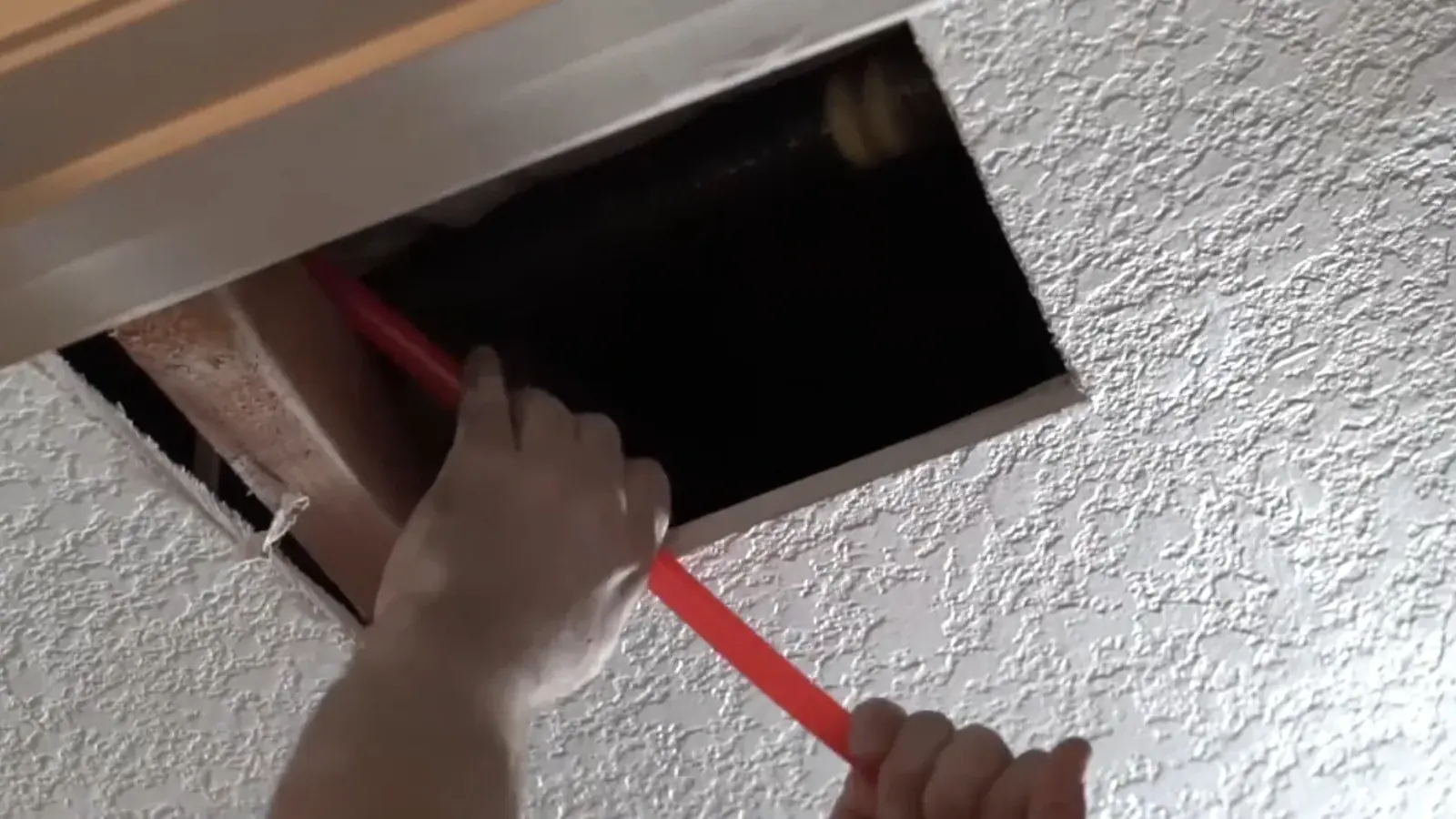
The plumber traces supply lines, notes fixtures and decides where walls can be opened.
Permit
A licensed plumber files the permit with Revere's Building Division.
Rough in
New lines are run through basements, closets and open walls, one floor at a time.
Connect and test
Fixtures are reconnected, the system is pressure tested and the city inspector checks the work.
Pressure dropping every year?
Call to book an inspection of your pipes.
Repiping a two-family or triple-decker
About 27 percent of Revere homes are two-family and 17 percent are in buildings of three to nine units. In these buildings, repiping usually runs floor by floor, with water shut off to one unit at a time. A phased plan keeps the other units in service.
Tell all tenants and the building owner before work starts. A shared riser may need to be replaced at once, and that needs an agreed schedule. The plumber explains what has to happen first and what can wait.
What affects repiping cost
Repiping varies more than most plumbing jobs. A clear price comes after the inspection and before any wall is opened.
Repiping to replace old pipes is rarely covered. If a pipe fails suddenly and causes damage, that damage may be covered. Ask your insurer before work.
Common questions
How do I know if my pipes are galvanized?
A magnet sticks to galvanized steel but not to copper or PEX. Galvanized pipe is also gray with threaded fittings. A plumber can confirm.
How long does a repipe take?
Many houses take a few days. Large buildings or phased jobs take longer.
Will repiping fix my low water pressure?
If corroded pipes are the cause, yes. If the problem is the service line or the meter, repiping alone may not.
Do I have to leave my house during a repipe?
Often no, but water is off during parts of the day. Ask the plumber for a schedule.
Do you need a permit to repipe in Revere?
Yes. Only a licensed plumber can apply through the Building Division. The plumber handles the permit.
Is repiping covered by insurance?
Usually not unless a sudden failure caused damage. Check your policy.