
A three-decker district built around Shirley and Beach Streets
A commercial core formed along Shirley and Beach Streets at the base of Young's Hill between 1915 and 1940, according to the Massachusetts Historical Commission, which also describes a three-decker district nearby and a well-preserved set of 1920s storefronts.
The area has a long history of welcoming immigrants. Jewish residents made up about a quarter of Revere in 1940, most of them around Shirley Avenue. More recently the neighborhood has been home to Latin American, African, Moroccan and Cambodian communities.
For a plumber, the lesson is housing type, not history. Many buildings here hold several households, and shops sit below apartments, so one problem can reach neighbors above and below.
What the neighborhood action plan says about housing
A planning process for the Shirley Avenue area ran from April 2013, with 144 residents, business owners and other stakeholders taking part. The resulting plan, dated May 2014, lists improving housing conditions and redesigning Bell Circle among its priorities.
The plan also notes renovations to Revere Housing Authority properties and 49 new affordable housing units moving forward at the time. We cite it as background. It does not say anything about pipe conditions in a specific building, and we make no claim about one.
Sources: Massachusetts Historical Commission Revere community report (1981). MAPC Shirley Avenue Action Plan summary poster (2014). Wikipedia neighborhood summary for Revere.
How a problem travels in a multi-unit building
General guidance, not a finding about any one building.
Shared drain stacks
A clog in a stack that serves several floors can back up in the lowest unit first. Tell the neighbors below.
Hot water systems
A shared or old heater can leave a whole building without hot water. Note the age on the label for the plumber.
Leaks between floors
A stain on a ceiling may come from the unit above. Locate the source before opening walls.
Shutoff valves
Know which valve isolates one unit and which one isolates the building. Label them if you can.
Plumbing services Shirley Avenue callers ask about
| Problem | What a plumber does | Page |
|---|---|---|
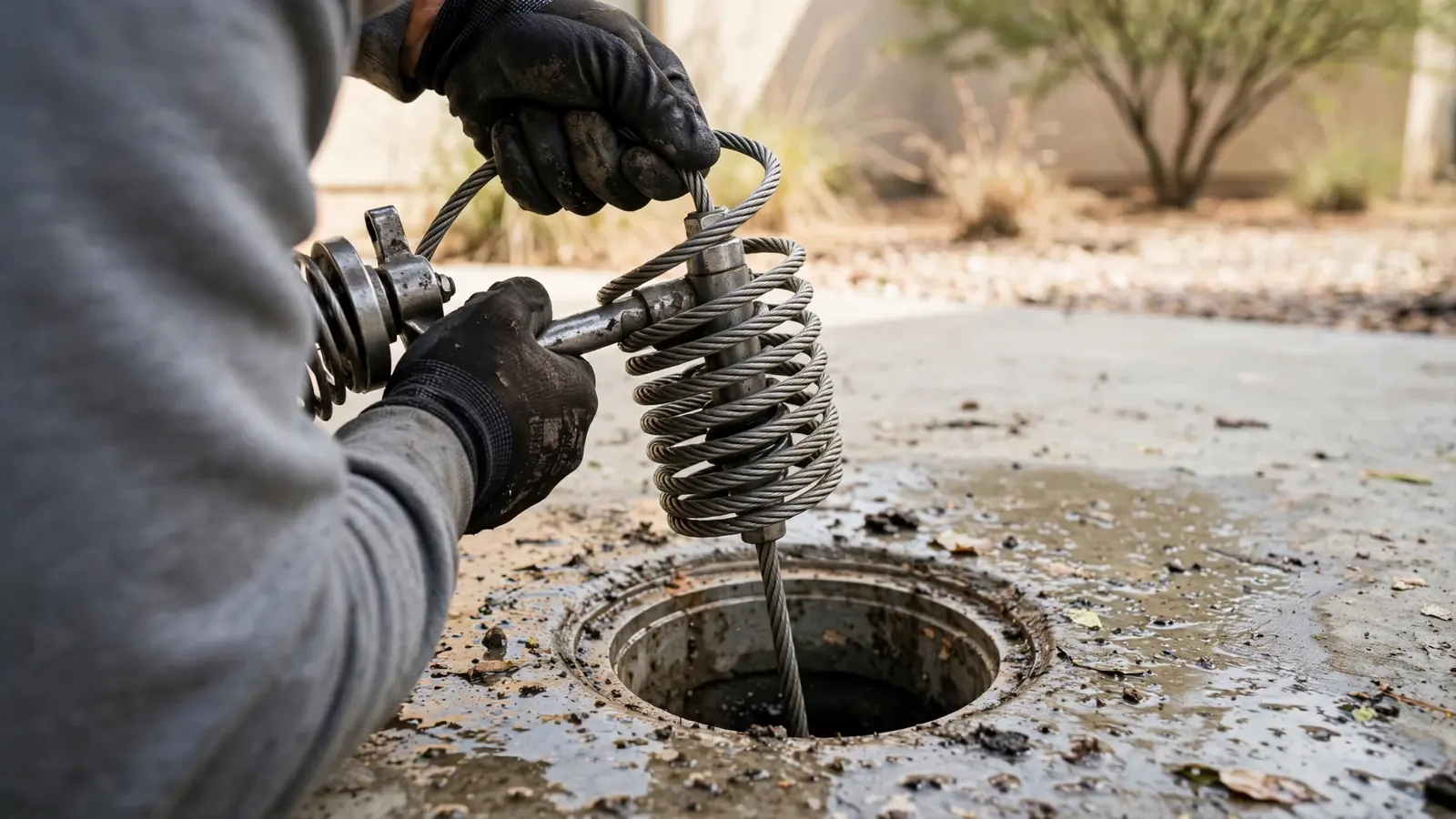
| Slow or blocked shared drains | Cable or jet the line and scope it if it repeats | Drain cleaning |
| Repeat clogs in an old line | Clean with high pressure water | Hydro jetting |
| Ceiling stain or hidden leak | Locate the leak before opening walls | Leak detection |
| Shop or restaurant plumbing | Service for commercial fixtures and drains | Commercial plumbing |
| No hot water | Repair or replace the heater | Water heater repair |
Shared drain backing up?
Call and say how many units are affected. That helps the dispatcher plan the visit.
Who to tell first and what to write down
Tenants should report a leak or backup to the landlord in writing and keep a copy. Owners should tell tenants before work that shuts off water, and say how long it may take.
Shop and restaurant owners should ask a plumber about drains that carry grease. Whether a grease trap is required depends on the use and the city rules, so ask the city before assuming either way.
Nearby neighborhoods and the rest of Revere
Shirley Avenue lies inland from the beach. The Revere Beach page covers the Boulevard blocks and the West Revere page covers the inland neighborhoods to the west. See the service areas page for the full list.
Plumbing questions in Shirley Avenue
Do you serve Shirley Avenue in Revere?
Yes. We take calls from the Shirley Avenue area from our base on Revere Beach Parkway. Call (617) 752-0573 and the dispatcher will confirm timing for your address.
My drain backs up and I share it with other units. Who pays?
That depends on your lease or ownership agreement, so ask the landlord or building manager. A plumber can tell you where the clog sits and whether it is on shared or private pipe.
Do you work on shops and restaurants?
Yes. See our commercial plumbing page for the kinds of jobs we take. Call and describe the building, the fixtures and the problem.
Do repeat clogs mean a bigger problem?
They can. A line that clogs again soon after cleaning may have a belly, roots or damage. A camera inspection shows what is inside the pipe.